If you think smartphone evolution has plateaued—focusing on minor camera tweaks or fractional performance gains—you haven’t been watching what’s happening beneath the hood. Specifically, battery technology is on the cusp of a dramatic breakthrough.
Leading the charge (pun intended) is Xiaomi. Rumors suggest the upcoming Xiaomi 17T will pack a jaw-dropping 6,500mAh battery—a capacity previously reserved for chunky gaming phones.
You might be thinking, “That’s great, but won’t it feel like carrying around a brick?”
Based on the latest leaks, the answer is a resounding no. Here is a deep dive into the battery revolution Xiaomi is attempting with the 17T series.
How 6,500mAh Fits in a Sleek Chassis: The Magic of Silicon-Carbon
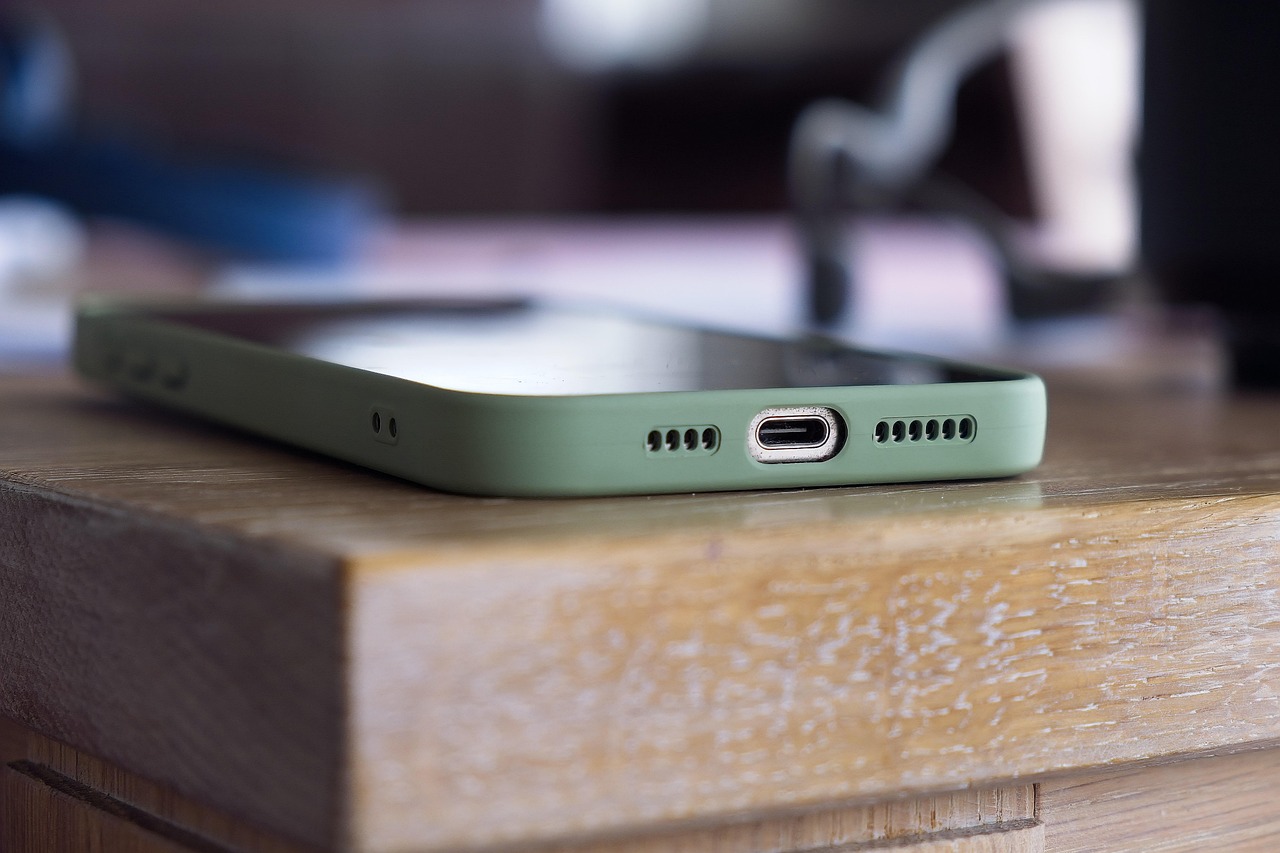 Photo by Looking For Feferences on Pexels
For years, traditional smartphone batteries (which use graphite anodes) hit a physical ceiling around the 5,000mAh mark. To go significantly higher meant making the device drastically thicker and heavier.
Enter Silicon-Carbon (Si-C) technology.
Xiaomi (and Chinese manufacturers generally) have heavily invested in this new material, often branded under names like “Jinshajing Battery.” This tech dramatically boosts energy density.
The magic of Si-C means you get approximately 1.3 times the capacity in the exact same physical size.
According to reliable leak sources, the Xiaomi 17T, despite housing a massive 6,500mAh cell, will maintain a manageable thickness of around 8.5mm and weigh close to 200g. If this holds true, this is a genuine breakthrough in mainstream smartphone engineering.
Trading Speed for Stamina: The 120W Charging Downgrade
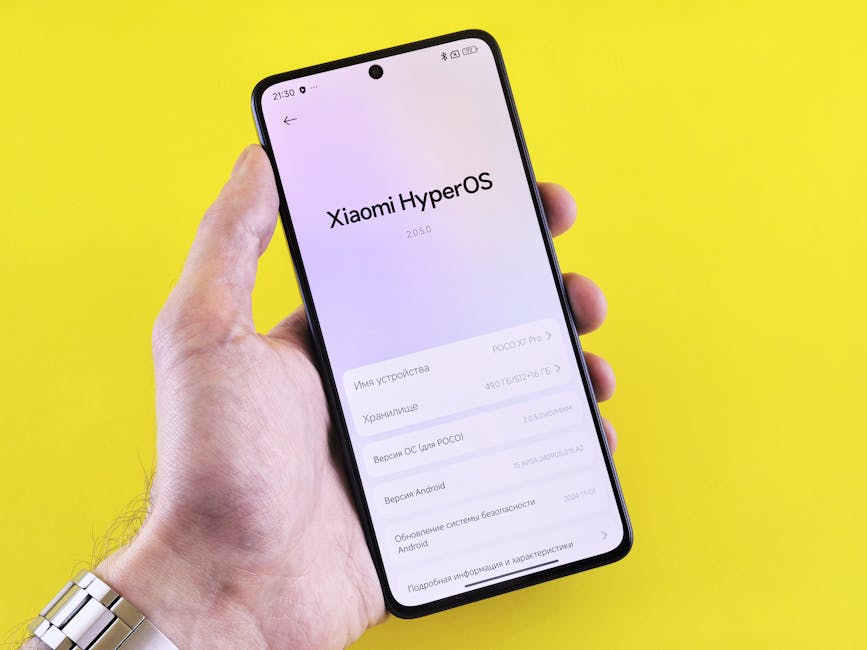 Photo by Andrey Matveev on Pexels
It’s not all good news, however.
The cost of this massive capacity increase might be the sacrifice of one of Xiaomi’s most famous features: 120W “HyperCharge” speeds. Rumors indicate the standard Xiaomi 17T model may downgrade to 67W charging.
Before you grab your torches and pitchforks, there is a legitimate reason for this trade-off. Extreme fast charging requires complex, bulky circuitry and significant internal cooling space, which actively compresses the usable volume for the battery cell itself.
This shift signals a change in philosophy for Xiaomi: moving away from the “blast it full of juice multiple times a day” routine toward a “don’t even worry about charging it for an entire day” approach. It’s a strategic pivot emphasizing real-world endurance over spec-sheet bragging rights.
(Note: There is still a strong possibility that the high-end 17T Pro model will retain the 120W charging capability.)
The Competition Responds: Welcome to the Endurance Wars
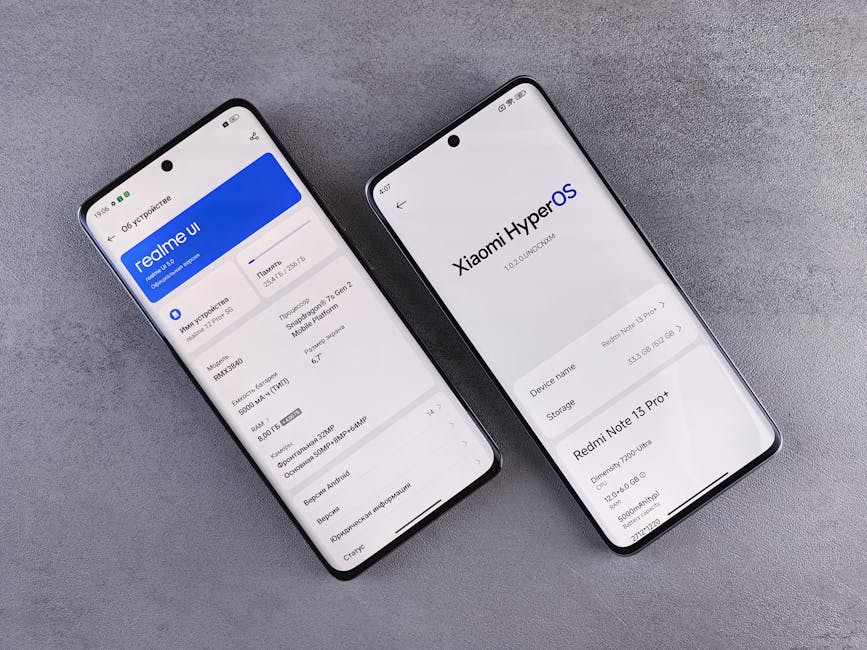 Photo by Andrey Matveev on Pexels
This trend isn’t limited to Xiaomi.
It’s predicted that rival flagship devices, such as the upcoming OnePlus 14 and the Realme GT8, will also push into the 6,000mAh to 7,000mAh range.
The prevailing trend for 2026 won’t be about incremental gains in camera resolution or processing speed, but about a full-scale competition for battery longevity—the “Endurance Wars” are officially here.
The Bottom Line
A summary of the Xiaomi 17T battery leaks:
| Feature | Spec | Notes |
|---|---|---|
| Capacity | 6,500mAh | Achieved via Silicon-Carbon technology |
| Charging Speed | 67W (Downgrade) | Trade-off for increased battery volume |
| Form Factor | Slim/Standard | Expected to remain around 8.5mm thick |
If you despise carrying a portable battery pack or hate the stress of monitoring your charge percentage while traveling, the rumored Xiaomi 17T could be the device you’ve been waiting for. We eagerly await confirmation of these monster specs.