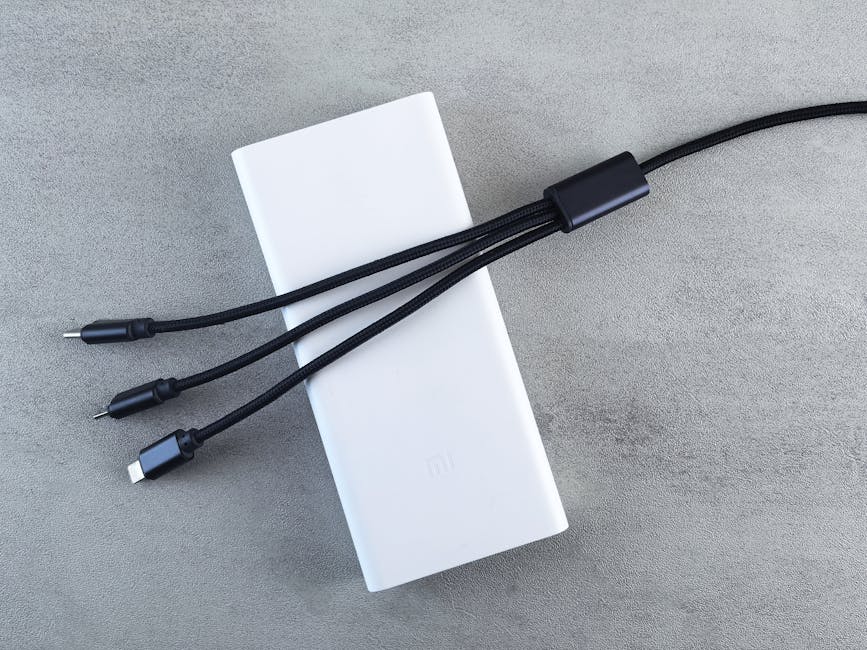
“8 Minutes to Full Charge”—Isn’t That Scary?
You wake up in the morning, and your phone battery is at 2%. “Oh no, I’m done for…”
Even in such a desperate situation, with Xiaomi’s 200W charging, it hits 100% while you’re brushing your teeth and washing your face. It feels like magic.
But at the same time, don’t you think this? “Forcing that much electricity in… won’t the phone break?” “Won’t the battery die immediately?”
Honestly, I thought so too at first (it sounds explosive). This time, we will thoroughly verify the safety of this “200W charging” from the perspective of Xiaomi’s technical specifications and physics.
1. Is “80% Left After 800 Cycles” Actually Good?
First, let’s look at the manufacturer’s official data. Xiaomi claims:
“Maintains over 80% of battery capacity even after 800 charging cycles.”
This might just look like a number, but it’s actually amazing. The general standard for smartphones (such as China’s national standard) is “60% after 400 cycles”. In other words, it secures more than twice the durability of the standard value.
800 cycles means about 2 years if you charge from 0% to 100% every day. (In reality, you rarely drop to 0% every day, so it lasts even longer.) If 80% remains after 2 years of use, it is a “passing grade” for modern smartphones.
2. Managing the Heat: Moving the Source “Outside”
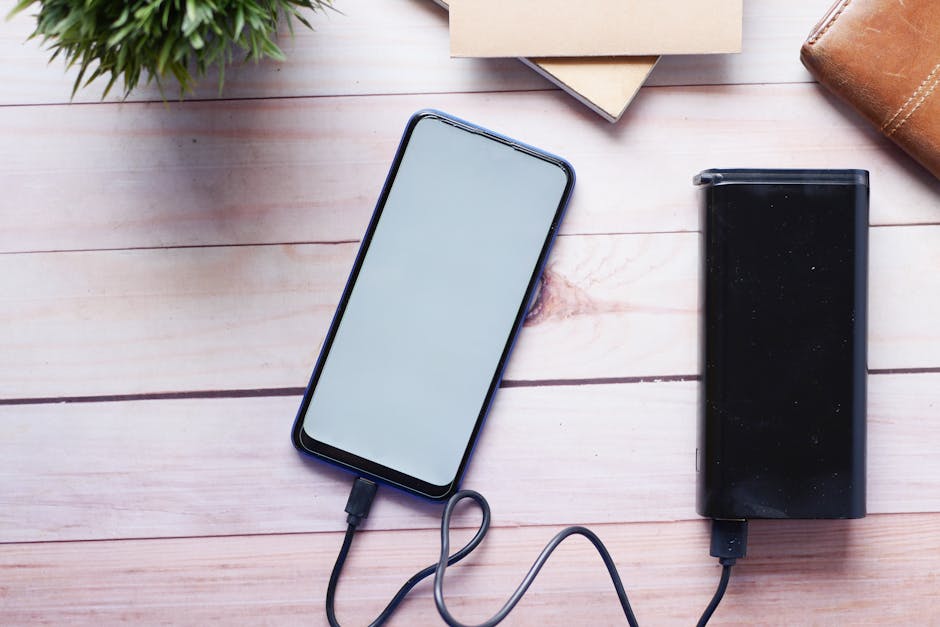 Photo by Towfiqu barbhuiya on Pexels
The biggest enemy of fast charging is “heat”. Batteries are weak against heat. If you flow 200W of power, it usually gets scorching hot.
Here, Xiaomi’s strategy is clever. They conduct the charging control management chip (MCU) and part of the pump charge chip inside the “charger” instead of the smartphone body.
In other words, by moving the parts that easily generate heat to the outside of the smartphone, they are physically reducing heat damage to the smartphone body (= battery).
In addition to this, Xiaomi’s high-end models also contain huge vapor chambers (cooling plates), so double heat countermeasures are taken.
3. The Unexpected Con: Durability of the “Charging Port”
 Photo by Nataliya Vaitkevich on Pexels
People talk a lot about batteries, but this is what I personally worry about. Physical load on the USB-C port and cable.
To flow a large current of 200W (20V/10A, etc.), the charging cable is thick and heavy, and the connector is solid. You plug and unplug this every day.
- The cable is stiff and hard to handle.
- The weight of the thick cable puts a load on the port like a lever.
The risk of the charging port becoming loose before the battery wears out might actually be higher (speaking from experience). This is the reason why I, a wireless charging believer, cannot completely return to wired charging.
4. Seasonal Impact on Fast Charging
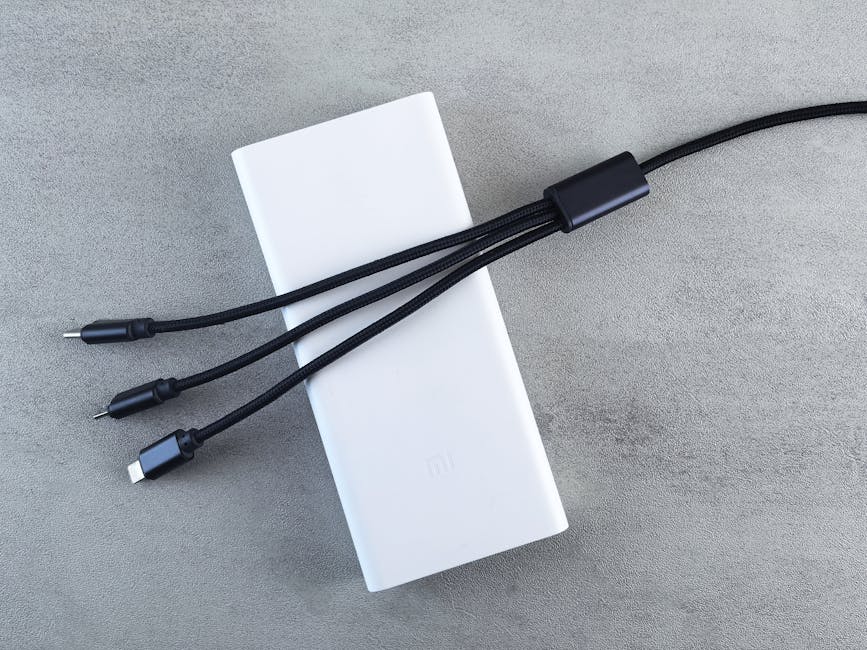 Photo by Andrey Matveev on Pexels
Also, this is important. Summer and Winter.
- Midsummer (over 35°C / 95°F): Cooling might not catch up. Charging in a car is absolutely NG.
- Midwinter (below 0°C / 32°F): Batteries hate being too cold too. If you suddenly flow 200W in a freezing room, the protection function works and speed may drop.
The reality is that “8 minutes anytime, anywhere” is not always guaranteed. Consideration for the environment is necessary.
Conclusion
In conclusion, Xiaomi’s 200W charging is “designed with a technical safety margin, so excessive worry is unnecessary.”
If you cycle through phones every 2 years, you barely need to care about battery degradation. More than that, the merit of this “freedom from time” is just too big.
Once you use it, you can’t go back to the old habit of “charging before bed”. (However, please treat the charging cable gently!)